
Guide · 14 min read · November 25, 2025 · Fact-checked October 7, 2026
Best Countries for Expat Families: Schools, Safety & Healthcare
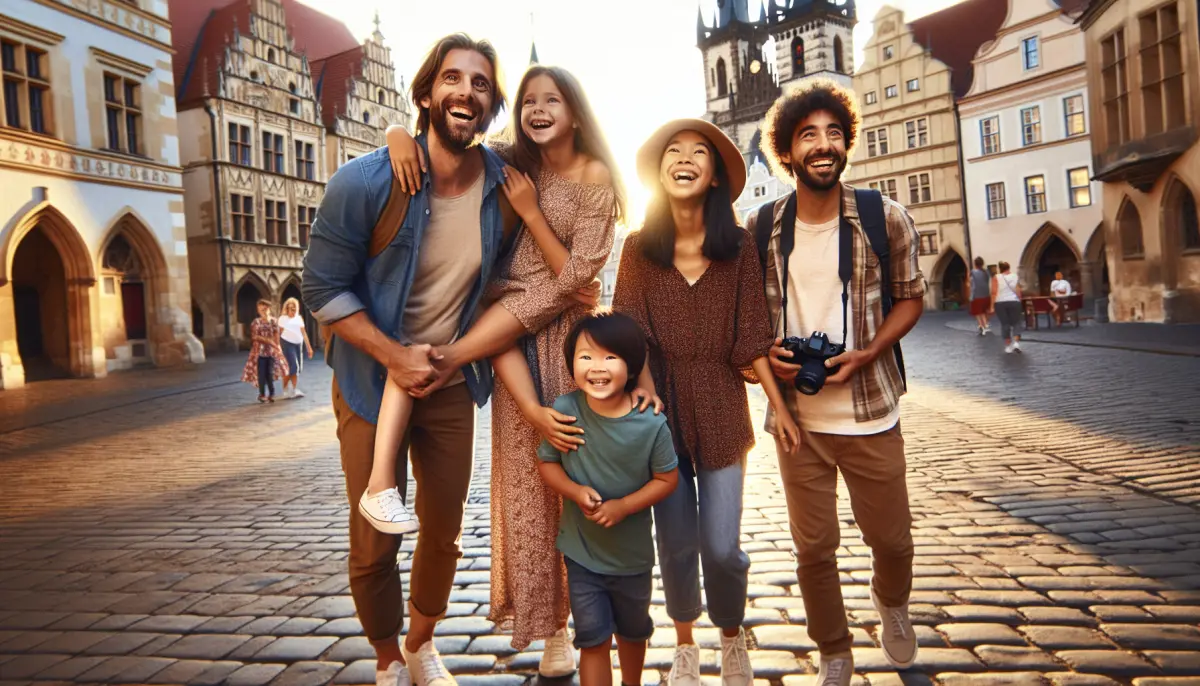
For families, an international move is about more than jobs and scenery. Schools, safety and healthcare shape daily life for everyone in the household. This guide looks at several countries that perform well on these factors, using official data and recognised international indices where they exist.
Education: Finding the Right Fit for Your Children
Finland: Free, Comprehensive Public Schooling
Finland's education system is widely studied for its focus on equal opportunities and pupil well-being.
- Cost: Pre-primary, primary and lower secondary education is free of charge, including learning materials, a daily school meal, health and welfare services, and school transport when the journey is long or dangerous. Under the Finnish Constitution, everyone resident in Finland has the right to free basic education.
- Structure: Basic education lasts nine years, for children aged roughly 7 to 16.
- Curriculum: All schools follow a national core curriculum, and schools draw up their own curricula within that framework.
Singapore: Strong Results and International Curricula
Singapore offers both a high-performing national system and a wide choice of private international schools.
- Results: In the OECD's PISA 2022 assessment, Singapore scored higher on average than every other participating country or economy in mathematics, reading and science.
- International schools: Private international schools offer international curricula and mainly serve the children of expatriates. Places in government schools for international students are limited and subject to an admissions process.
International school tuition can be high, so request current fee schedules directly from the schools you are considering.
Safety: A Secure Environment
The Global Peace Index, published by the Institute for Economics and Peace, ranks 163 countries on societal safety, ongoing conflict and militarisation. In the 2026 edition, the top ten were Iceland, New Zealand, Switzerland, Slovenia, Ireland, Austria, Portugal, Singapore, Finland and Japan.
Iceland
Iceland ranked first in the 2026 Global Peace Index, a position it has held since 2008. Its score reflects very low levels of violent crime, high trust in institutions and the absence of a standing army.
Japan
Japan ranked tenth in the 2026 Global Peace Index, up three places from 2025, and combines a high level of public safety with a rich cultural life that many families value.
Healthcare: Access to Quality Medical Services
Switzerland
- Insurance: Basic health insurance is compulsory for everyone resident in Switzerland, regardless of nationality. New residents must take it out within three months, and each family member, including children, must be insured individually.
- Life expectancy: According to provisional figures from the Federal Statistical Office, life expectancy at birth in 2025 was 86.3 years for women and 82.7 years for men.
Australia
- Medicare: Australia's public health system, Medicare, is open to Australian and New Zealand citizens, permanent residents, people applying for permanent residency and some temporary residents covered by a ministerial order. Visitors from countries with a Reciprocal Health Care Agreement may have limited access.
- Private cover: Many temporary visa holders are not eligible for Medicare, so check your visa conditions and arrange private health insurance where required.
Family-Friendly Policies and Lifestyle
Canada
Canada's Employment Insurance programme offers paid leave for new parents (Quebec runs its own plan).
- Maternity benefits: Up to 15 weeks at 55% of average insurable earnings, up to a weekly maximum.
- Parental benefits: Either standard benefits of up to 40 weeks shared between parents at 55%, or extended benefits of up to 69 weeks shared at 33%, with a per-parent cap of 35 and 61 weeks respectively.
New Zealand
New Zealand ranked second in the 2026 Global Peace Index and is known for its outdoor lifestyle and access to nature, which appeals to many families.
Practical Tips for Expat Families
- Research schools: Visit potential schools, ask about admissions timelines and meet staff to understand their approach.
- Health insurance: Confirm whether your family will be covered by the public system on arrival, and arrange private cover for any gap.
- Safety preparations: Note local emergency numbers and procedures.
- Community: Join local community groups and parent networks for support and advice.
- Cultural celebrations: Learn about local holidays and traditions to help your family settle in.
Conclusion
The right country for your family depends on your priorities, whether that is Finland's free public schooling, the safety of Iceland or Japan, or Switzerland's universal health insurance. Rules, fees and rankings change, so check current figures with official sources such as education ministries, health authorities and immigration services before you decide.
Ready to find the right country for your family? Take the Switch Horizon questionnaire to discover your ideal relocation destination based on your own priorities.
Sources
- Finnish National Agency for Education – Primary and lower secondary education (accessed 2026-10)
- Ministry of Education and Culture, Finland – Basic education (accessed 2026-10)
- OECD – PISA 2022 Results, Country Note: Singapore (accessed 2026-10)
- Ministry of Education Singapore – Other schooling options (accessed 2026-10)
- Ministry of Education Singapore – Admission for international students (accessed 2026-10)
- Institute for Economics and Peace – Global Peace Index 2026 top 10 (accessed 2026-10)
- Federal Office of Public Health (FOPH) – Requirement to obtain health insurance (accessed 2026-10)
- Swiss Federal Statistical Office – Population change and vital statistics 2025 (provisional) (accessed 2026-10)
- Services Australia – Enrolling in Medicare (accessed 2026-10)
- Government of Canada – EI maternity and parental benefits (accessed 2026-10)